
Highlights
- Too many solids reaching the filter, excess biological buildup, and distribution pipe issues can clog a septic sand filter.

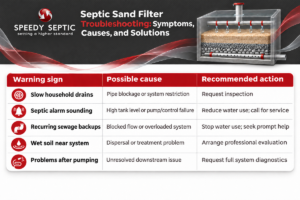
- Signs of a clogged septic sand filter include slow drains, foul odors, and gurgling sounds.
- Speedy Septic’s experienced team provides professional septic repair services to address this issue.
When Your Septic Sand Filter Stops Working Properly
With abundant green space and a great selection of coffee shops, bike lanes, and cultural highlights, it’s easy to see why so many people call the Portland, OR, area home. If you live here and have a sand filter septic system, excess solids, too much wastewater, and biological buildup can clog it. Speedy Septic has tips for homeowners with a clogged septic sand filter, including signs to look for, underlying causes, septic sand filter troubleshooting tips, and what to do before it gets worse.
How Can You Tell if Your Septic Sand Filter Is Clogged?
After an incredible day at Butterfly Park Naturescape, the last thing you want is a septic system problem. While not all septic system issues are due to a clogged filter, here are some signs that your septic sand filter may be clogged:
- Multiple drains in your home clog at the same time.
- You hear gurgling noises coming from the tubs, sinks, or showers.
- Water or sewage backs up into the lowest drains in your house.
- You notice areas of soggy soil, pooling water, or lush patches of grass in your yard.
- You notice a distinct foul, rotten-egg or sewage-like odor outside near the septic tank or inside near your drains.
What Causes a Septic Sand Filter to Become Blocked?
Sand filter septic system problems often include a clogged filter, but why does this happen? Here are some of the most common reasons why your sand filter may become blocked or clogged:
- Excess solids reaching the filter: When excess grease, scum, or other solids reach the filter, they clog the screen and prevent wastewater from flowing out of the tank.
- Too much wastewater entering the system: If wastewater enters your septic system too quickly, it speeds up solid and slime buildup, leaving little time to settle and causing filter blockages.
- Distribution pipe or dosing problems: When the distribution pipe can’t maintain or distribute flow evenly across the sand medium, or when dosing is inconsistent, it can overload one area of the system and cause a major clog.
- Filter media and biological buildup: Everything from lint and suspended solids to organic particles can accumulate in the sand bed and create biological buildup that sticks in the tiny holes between sand grains (filter media), creating a serious blockage.
What Should You Do First if You Suspect a Clog?
If you suspect a clog or septic sand filter failure, here’s what to do before contacting Speedy Septic for help:
- Immediately stop using appliances like your washing machine and dishwasher, and don’t take long showers until the issue is resolved.
- Find and check the effluent filter or septic tank cover to confirm the liquid level.
- If the liquid level in the tank is above the outlet pipe, contact the pros at Speedy for help.
- If the liquid level looks normal and you can access the filter, carefully remove it, rinse off any accumulated debris with a garden hose, and securely replace it to see if that helps.
Can a Clogged Septic Sand Filter Be Cleaned or Repaired?
If your sand filter septic system is not working because the filter is clogged, you may be able to fix it with a thorough septic sand filter cleaning or repair. Blockages caused by surface slime, biological growth, and minor solids can usually be cleaned by pressure washing or flushing the blocked areas. We recommend scheduling a comprehensive septic system inspection to determine the cause and properly diagnose and repair the filter or other system components as needed.
Does Septic Tank Pumping Fix a Clogged Sand Filter?
While regular septic tank pumping is an important part of routine maintenance, it won’t fix a clogged sand filter. Pumping the tank removes excess sludge and scum from the tank or pump chamber, but it doesn’t clean or wash the sand or media inside the filter. Homeowners may notice signs of septic sand filter failure when a biological mat or fine silt accumulates on top of the sand bed, where pumping can’t reach. The best way to address the issue is septic sand filter remediation, which involves physically clearing the silt, biological mats, and grease that directly block water flow.
How Can You Prevent Future Sand Filter Problems?
There are several things you can do to prevent future sand filter problems, including:
- Schedule professional sand filter septic system repairs as soon as you notice an issue to prevent more severe, costly problems later.
- Replace the filter sand every three to five years before it gets too smooth to trap dirt and debris.
- Avoid flushing paper towels, baby wipes, and other non-biodegradable items down the toilet.
- Don’t rinse fats, oils, grease, food scraps, or coffee grounds down the kitchen sink.
- Practice routine septic sand filter and septic system maintenance, including annual inspections and regular cleaning of the effluent and filter components.
Does Oregon’s Wet Weather Make Sand Filter Problems Worse?
Oregon’s signature wet weather can worsen sand filter septic system problems. Although sand filters are designed for high water tables like Oregon’s, long seasons of heavy rainfall can add strain and pressure that may lead to early system failure. If the soil around the tank becomes saturated, treated wastewater has nowhere to go and may back up into the dosing tanks and sand filter basin. This can push the excess water back into your home plumbing lines, causing hydraulic overload.
When Should You Call a Septic Professional?
If you notice signs that your septic tank is full and the liquid level is above the outlet pipe, contact a septic professional immediately. Also contact a pro ASAP if sewage backs up into your home. Standing water or soggy ground over the system is another red flag, so call our licensed professionals as soon as possible.
How Speedy Septic Can Help With Sand Filter Problems
Speedy Septic inspects your system with a comprehensive 21-point septic health analysis to identify clogged or damaged filters and components, poor flow, and other signs of sand filter problems. After our inspection, we’ll explain our findings and recommend next steps with a detailed estimate. Depending on the results, you may need professional maintenance, cleaning, repair, or another service to help restore performance and prevent system failure.
Don’t Ignore the Signs of a Failing Septic Sand Filter — Call Speedy Today!
If you notice signs of a failing septic sand filter, don’t wait until the problem worsens. The experts at Speedy Septic can help with all your septic system needs in Portland, OR, and surrounding areas. To learn more about us or schedule service, contact us today!